The 200-lux bathroom vanity mistake: why overhead mirror lights reset your evening clock

Stepping into a brightly lit bathroom at 9:00 PM to wash your face or draw a bath can undo an entire evening of dim living-room light. Most residential bathroom vanity fixtures are built for morning grooming, surrounding the mirror with bright overhead bulbs. Even a brief fifteen-minute wash under those overhead room lights signals to your eyes that daytime has not ended.
In a controlled inpatient study conducted at Brigham and Women's Hospital and Harvard Medical School, Joshua Gooley and colleagues measured plasma melatonin profiles in healthy adults exposed to ordinary room lighting of less than 200 lux during the hours before bedtime compared with dim light of less than 3 lux. The researchers found that exposure to ordinary overhead room light before bedtime suppressed melatonin onset in 99 percent of tested individuals and shortened total melatonin duration by roughly ninety minutes. Because a bathroom vanity sits directly at eye level, overhead bulbs deliver room light straight into your line of sight right when your evening melatonin onset should begin.
Dim Counter Warmth & The Twelve-Minute Steam Immersion

Steeping herbal botanicals in a warm tub under a single < 3 lux counter lamp.
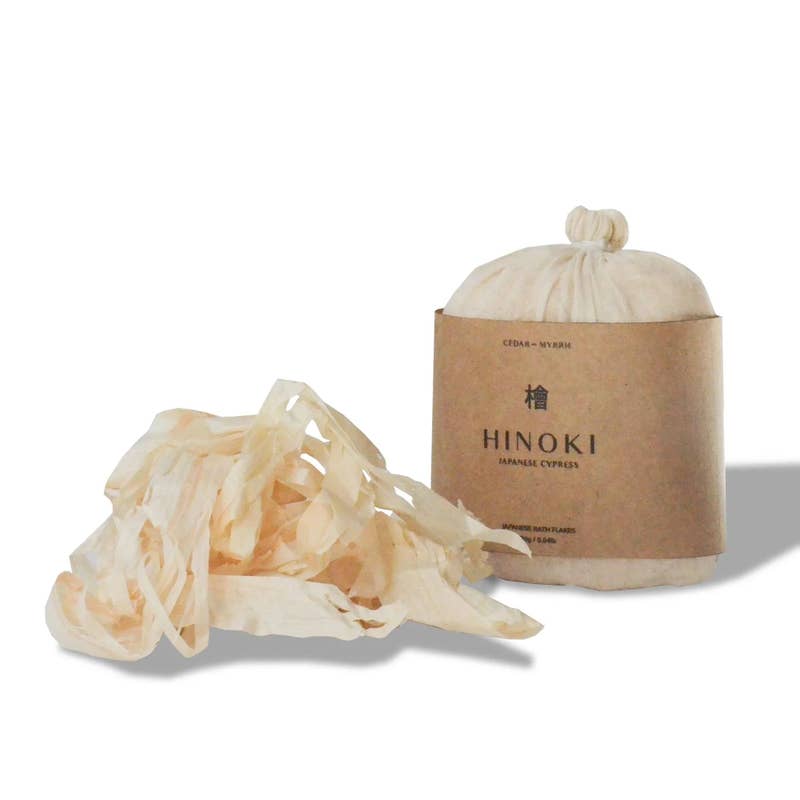
Misting organic Japanese Hinoki cypress into warm shower steam under dim light.
Tonight at 9:00 PM, leave the overhead bathroom room light off and use a single dim counter lamp below 3 lux so you do not suppress evening melatonin onset before bed. Keeping your bathroom under dim counter lighting is the ideal setting for the twelve-minute Step 1 bath steep in Vale & Vessel Batch N° 01 ($89) or the warm shower steam mist in Batch N° 03 ($84), letting you complete your 30-minute evening routine in calm dim light.

References
- Gooley, J. J., Chamberlain, K., Smith, K. A., Khalsa, S. B. S., Rajaratnam, S. M. W., Czeisler, C. A., & Lockley, S. W. (2011). Exposure to room light before bedtime suppresses melatonin onset and shortens melatonin duration in humans. The Journal of Clinical Endocrinology & Metabolism, Vol. 96, Issue 3, pp. E463-E472. https://doi.org/10.1210/jc.2010-2098 (PMID: 21193540)